

 Russian
 English
 Français
 Español
 اللغة العربية
 Japanese
 Korean
 German
 Tiếng Việt
 Italian
-
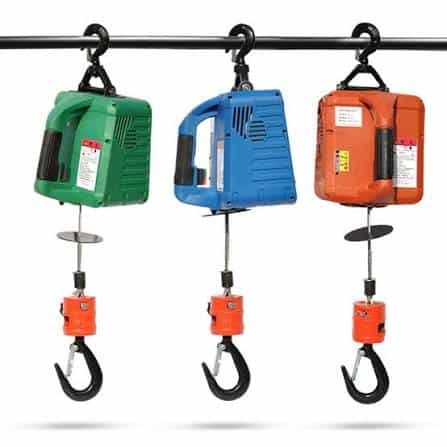
Тенденции развития портативного подъемного оборудования: компактный дизайн и интеллектуальная эксплуатация
-
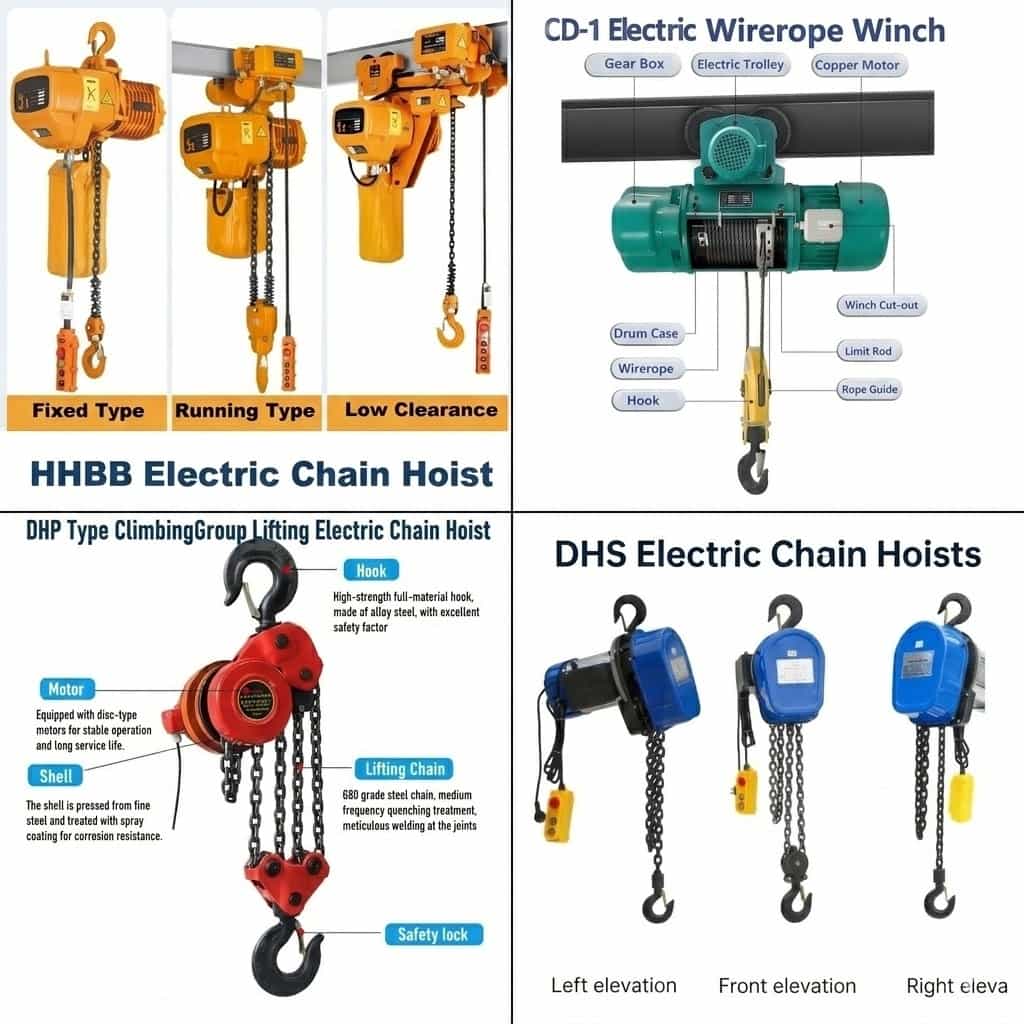
Ключевые факторы при выборе промышленных электрических подъемников: грузоподъемность, сертификация и применение
-
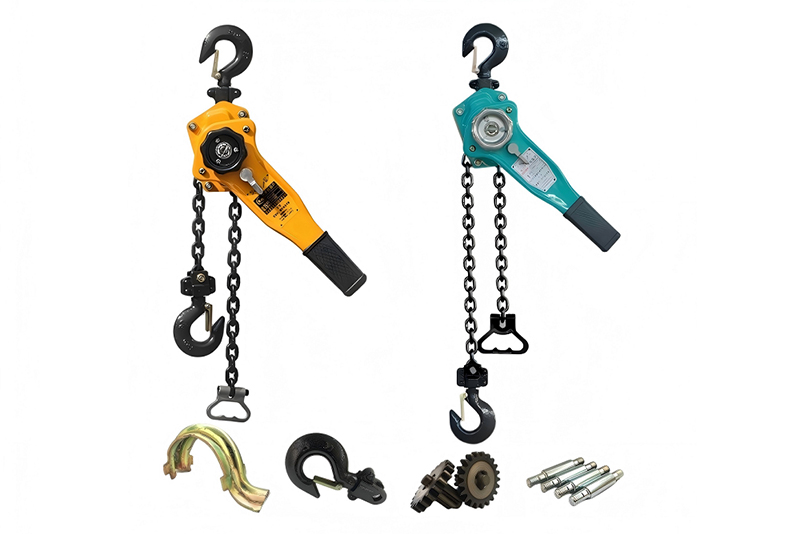
Выбор правильного подъемного механизма для тяжелых работ: комплексное руководство
-
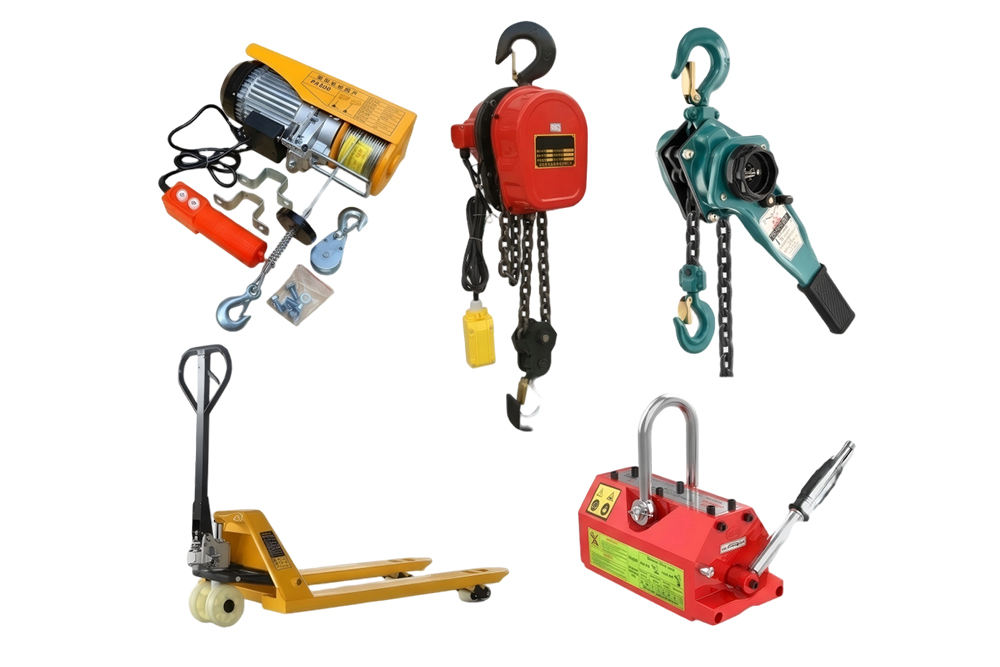
5 основных подъемных инструментов каждый склад нуждается

Онлайн-консалтинг
Если у вас есть какие-либо вопросы, пожалуйста, свяжитесь с нашим онлайн-службой поддержки клиентов немедленно
Common Quality Risks in Hoist Sourcing - LinkedIn Post
 Клик:290
  Время:2026-02-02 09:10:15
When it comes to hoist sourcing, quality isn’t just a checkbox—it’s a non-negotiable factor that impacts safety, operational efficiency, and long-term cost-effectiveness.
For procurement professionals and project managers in the heavy machinery industry, navigating potential quality pitfalls is key to avoiding costly delays, accidents, and reputational damage. Let’s break down the most common quality risks in hoist sourcing and how to mitigate them:
1. Substandard Material & Component Selection
Many low-cost suppliers cut corners by using inferior steel, worn-out bearings, or uncertified electrical parts. These components may pass initial inspections but fail under continuous load, leading to unexpected breakdowns or even catastrophic failures. Always verify material certificates (e.g., ISO) and request traceability for critical components.
2. Inadequate Compliance with International Standards
Hoists for global markets must adhere to region-specific standards (e.g., CE for Europe, OSHA for the US, GB for China). A common risk is sourcing equipment that “looks compliant” but lacks proper certification. Non-compliant hoists not only face customs clearance issues but also pose severe safety hazards in operation.
3. Insufficient Load & Performance Testing
As we prioritize in our factory’s daily QC process, load testing is make-or-break for hoists. Some suppliers skip rigorous dynamic/static load tests or falsify test reports to speed up delivery. Without validating load-bearing capacity, structural stability, and operational smoothness, you’re gambling with on-site safety.
4. Poor Manufacturing Tolerances & Assembly
Precision matters in hoist production. Loose fasteners, misaligned gears, or inconsistent welding can compromise the hoist’s durability and safety. Even minor assembly flaws can escalate into major issues when the equipment is under heavy load or frequent use.
5. Lack of Post-Sales Quality Assurance
Quality doesn’t end at delivery. Suppliers without a robust after-sales support system leave you stranded when defects emerge post-installation. This includes missing maintenance guides, unavailability of replacement parts, or no on-site troubleshooting support.
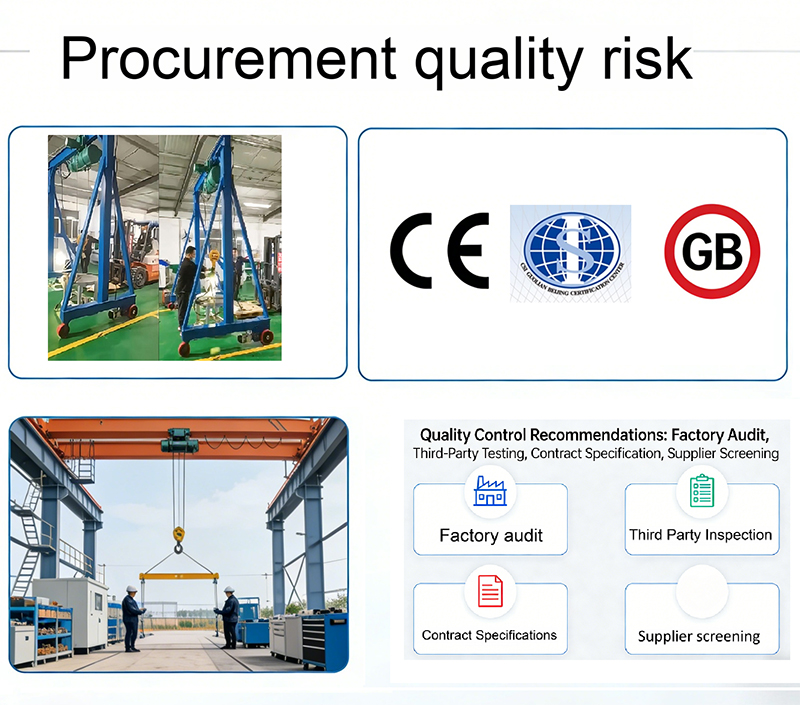
Mitigation Tips to Safeguard Quality:
✅ Conduct on-site audits of supplier facilities to verify production processes.✅ Require third-party testing (e.g., FAT) for critical hoist models.
✅ Clearly define quality standards and compliance requirements in contracts.
✅ Partner with suppliers with a proven track record in export markets
At the end of the day, investing in quality hoist sourcing saves you time, money, and stress in the long run. Quality is the foundation of trust—both with your team on-site and your global partners.


 sales@tieshouqizhong.com
 +8615132261111
 Joyce Yang
 Элис чжан (Alice Zhang)
 Kang Wang
 Главная
 WhatsApp
 Электронная почта