

 English
 Russian
 Français
 Español
 اللغة العربية
 Japanese
 Korean
 German
 Tiếng Việt
 Italian
-
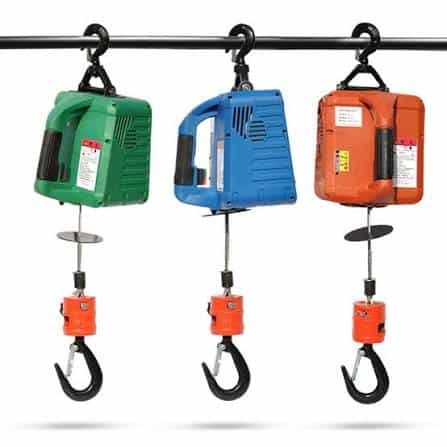
The Development Trend of Portable Lifting Equipment: Compact Design & Intelligent Operation
-
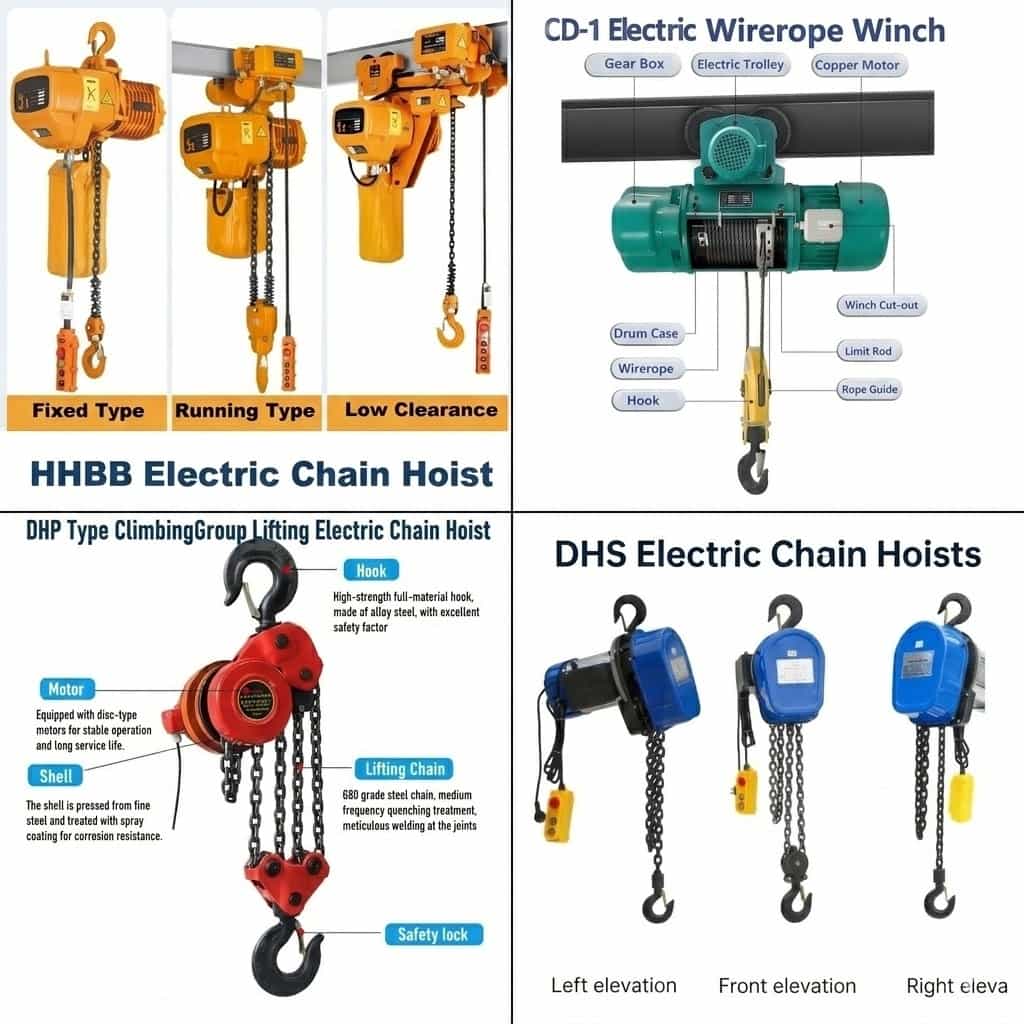
Key Factors for Selecting Industrial Electric Hoists: Load Capacity, Certification & Application
-
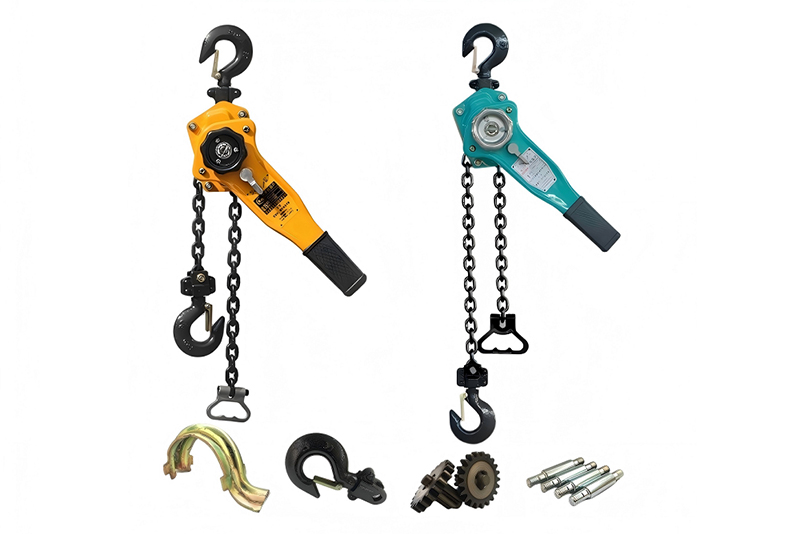
Choosing the Right Lever Hoist for Heavy-Duty Work: A Comprehensive Guide
-
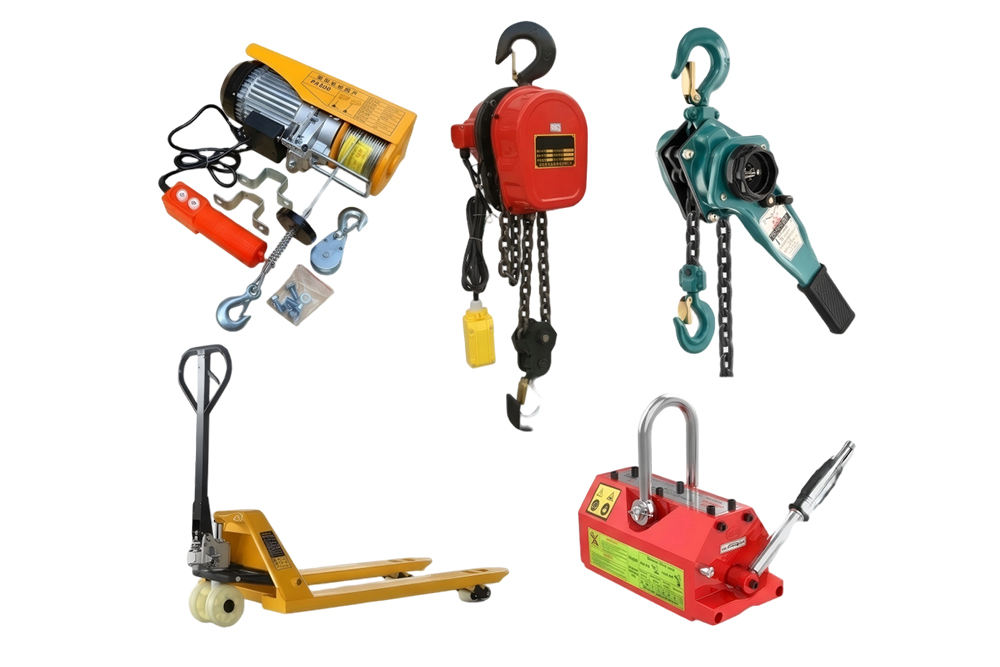
5 Essential Lifting Tools Every Warehouse Needs

Online consulting
If you have any questions, please contact our online customer service staff immediately
Issues to Consider in Crane Product Solutions or Discussion on Lifting Products
 Click:841
  Time:2025-12-29 15:06:32
Lifting products include various mechanical equipment and accessories used for lifting and transporting heavy objects, widely applied in industries such as construction, mining, logistics, and manufacturing. Experts typically provide detailed classifications and discuss their specific applications:
Cranes: Used for vertical or horizontal transportation of heavy loads, including tower cranes lifting hoists, bridge cranes lifting hoists, gantry cranes, etc.
Electric Hoists: Used for lifting heavy objects, suitable for lighter lifting tasks.
Chain Hoists: Driven by chains, used for medium to small load lifting operations.
Lifting Pulleys, Wire Ropes, and Other Accessories: These accessories are often used in more complex lifting systems to enhance the stability and efficiency of lifting operations.
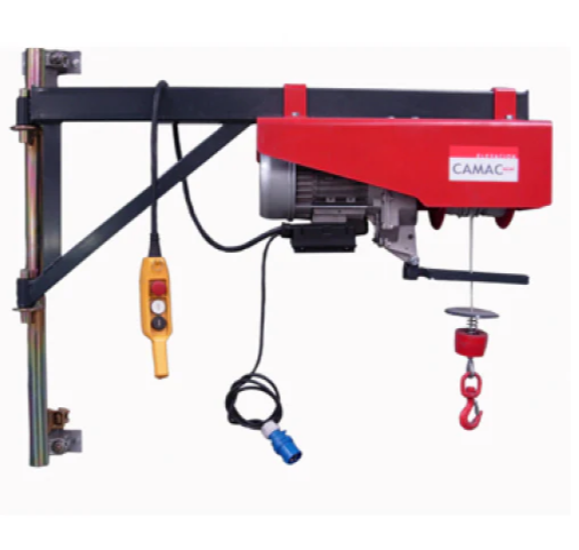
The design and manufacturing of lifting equipment must strictly comply with relevant standards and technical specifications. Experts emphasize:
Safety: This is the fundamental requirement for lifting products. Safety measures such as load limits, overload protection, and safety devices are considered in the design.
Stability and Seismic Resistance: Especially in construction sites or earthquake - prone areas, lifting products must have sufficient stability and seismic resistance to prevent safety accidents caused by equipment failure.
Efficiency of Power Systems: The power system of a crane, such as the motor's power and drive components, must meet the requirements of various operating environments.
Material Selection: Lifting products often use high - strength steel or alloy materials to ensure their load - bearing capacity.
With advancements in technology, more intelligent and automated technologies are being incorporated into lifting products. Experts generally believe this will improve efficiency and reduce human error in operation.
Remote Control and Automated Operation: For example, using wireless remote controls or automation systems to operate cranes can improve work efficiency while ensuring safety.
Data Collection and Monitoring Systems: Many modern lifting products are equipped with sensors that can monitor the equipment's operation in real time, such as load, speed, temperature, etc., to take prompt action when abnormalities are detected.
Artificial Intelligence (AI) and Big Data: Some high - end equipment has begun to use AI algorithms to optimize operation paths, reduce energy consumption, and predict failures.
Experts point out that the safety of lifting equipment not only depends on the design and manufacturing quality but also on regular maintenance and repair.
Regular Inspections and Maintenance: Lifting equipment should undergo regular checks of its functions, especially electrical systems, mechanical parts, and safety devices.
Technical Training: The skill level of operators and maintenance personnel directly affects the service life and safety of the equipment. Experts recommend that companies organize training regularly.
The use of lifting products must comply with environmental protection and safety regulations. Many countries and regions have strict laws, standards, and regulations, such as:
ISO 9001 Quality Management Standard: Ensures that product quality meets international standards.
EU CE Certification: Ensures that products meet the safety requirements of the EU market.
Environmental Impact Assessment: When designing lifting equipment, the environmental impact, including noise, emissions, etc., must be considered.
Experts believe that lifting products will develop in the following directions in the future:
Higher Efficiency and Energy Savings: With increasing energy scarcity, energy - efficient lifting equipment will become the mainstream of the market.
More Intelligent and User - Friendly: By integrating artificial intelligence, big data, and the Internet of Things (IoT), lifting equipment will achieve smarter monitoring and scheduling.
Greener and More Environmentally Friendly: Environmental requirements will drive lifting products to use more eco - friendly materials and technologies, reducing energy consumption and environmental pollution.
- Previous Article:2026 Lifting Equipment Sourcing: Key Priorities for Success
- Next Article: Maintenance Guide for CD Type Electric Hoist


 sales@tieshouqizhong.com
 +8615132261111
 Alice Zhang
 Kang Wang
 Joyce Yang
 Home
Home WhatsApp
 Email
Email