

 English
 Russian
 Français
 Español
 اللغة العربية
 Japanese
 Korean
 German
 Tiếng Việt
 Italian
-
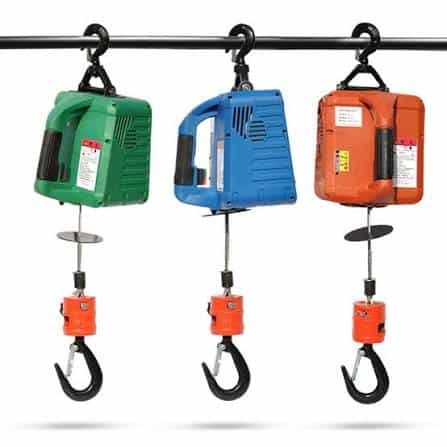
The Development Trend of Portable Lifting Equipment: Compact Design & Intelligent Operation
-
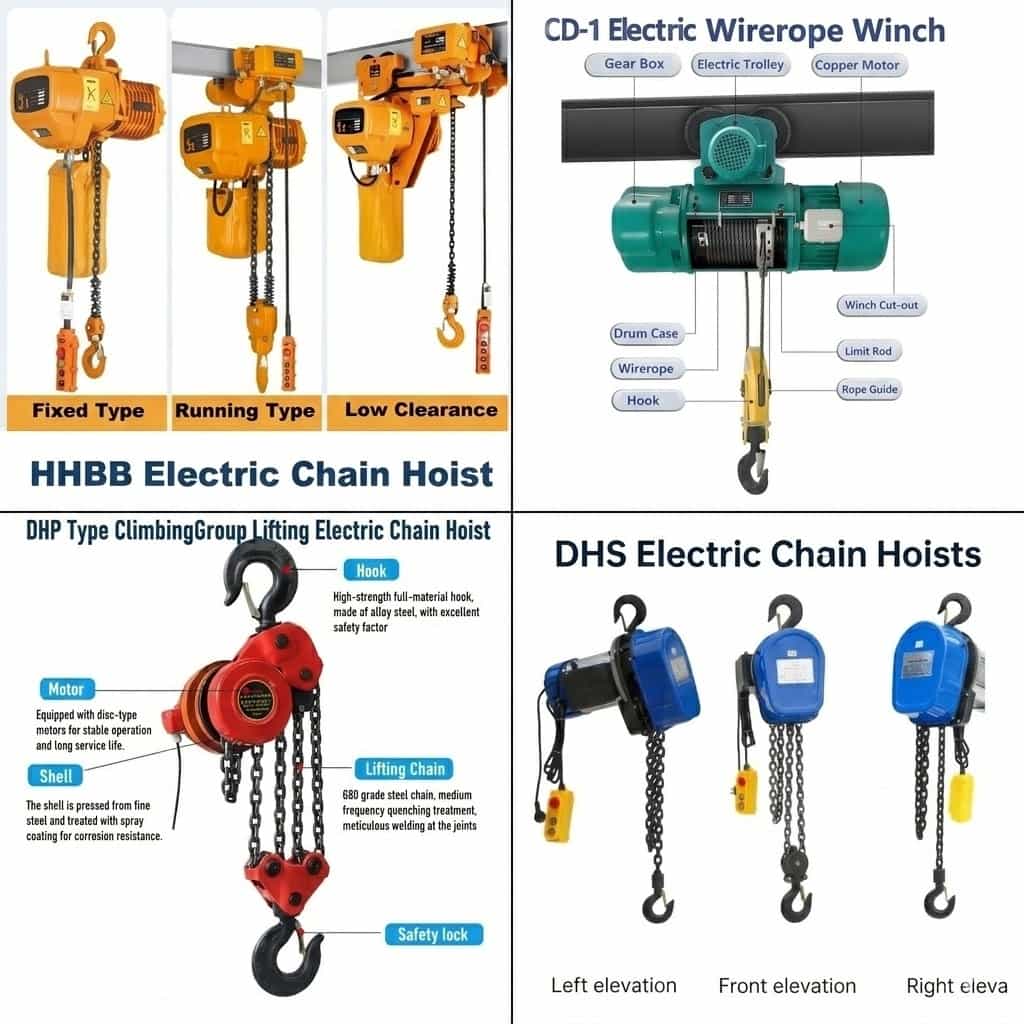
Key Factors for Selecting Industrial Electric Hoists: Load Capacity, Certification & Application
-
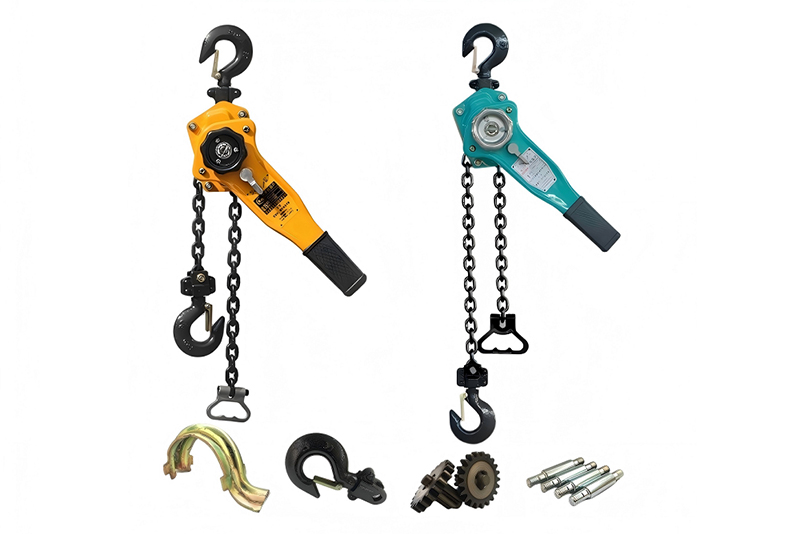
Choosing the Right Lever Hoist for Heavy-Duty Work: A Comprehensive Guide
-
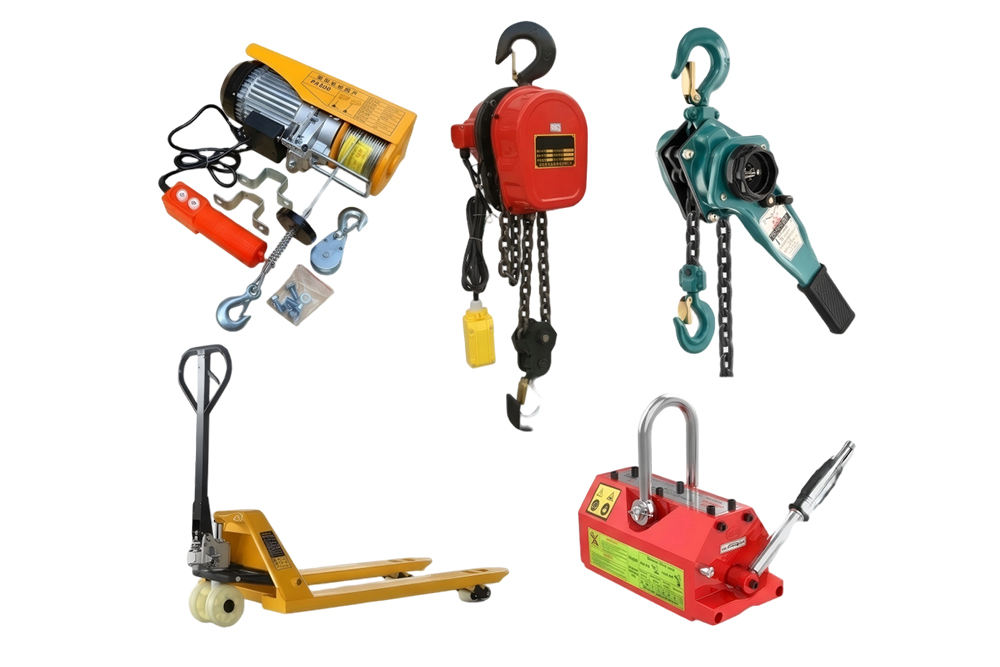
5 Essential Lifting Tools Every Warehouse Needs

Online consulting
If you have any questions, please contact our online customer service staff immediately
2026 Lifting Equipment Sourcing: Key Priorities for Success
 Click:747
  Time:2026-01-20 09:48:56
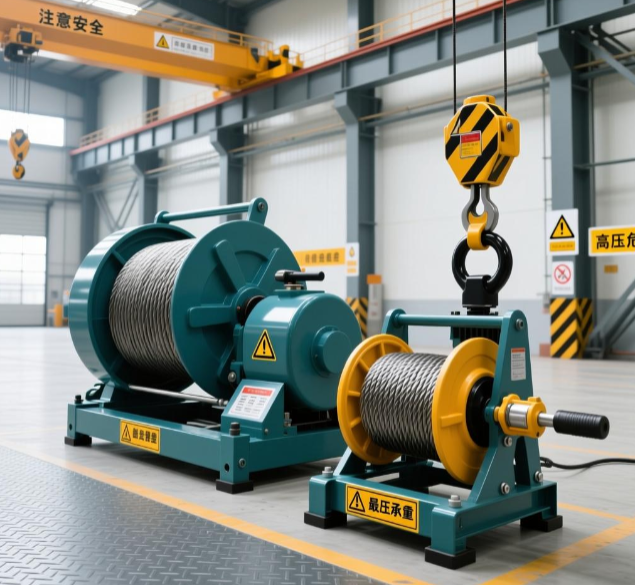
As we step into 2026, the landscape of lifting equipment sourcing is shaped by evolving regulations, supply chain uncertainties, and advancing industry demands. For procurement professionals and project leaders, navigating these shifts requires a strategic focus on what truly drives long-term value and operational resilience.
1. Compliance with Global Safety Regulations
The new SOLAS Convention requirements (effective Jan 1, 2026) have raised the bar for lifting equipment certification and inspection.Whether sourcing for maritime, construction, or industrial use, ensure equipment meets IMO’s MSC.532 (107) resolution standards—including rigorous load testing, permanent SWL labeling, and comprehensive certification documentation. Non-compliance risks project delays, fines, and safety liabilities.
2. Supply Chain Resilience Amid Raw Material Shifts
2026 brings renewed supply chain stress, particularly from China’s tightened rare earth export restrictions—critical for permanent magnet motors in modern lifting equipment . Diversify your supplier network, prioritize vendors with transparent material sourcing, and lock in long-term agreements to avoid shortages. Learn from 2021’s supply chain crunch: proactive resilience beats reactive scrambling.
3. Technical adaptability for Evolving Project Demands
The rise of prefabricated construction components (some over 40 tons) and large-scale infrastructure projects demands high-capacity, precision lifting solutions . Prioritize equipment with advanced digital controls, quick setup capabilities, and IoT-enabled monitoring for real-time performance tracking. Don’t just meet current needs—source for scalability as project complexity grows.
4. Total Cost of Ownership (TCO) Over Upfront Price
Low initial costs can hide long-term expenses. Evaluate vendors on after-sales support (response time, spare parts availability), maintenance requirements, and energy efficiency (e.g., electric-powered cranes). A reliable maintenance network and operator training programs are invaluable for minimizing downtime and extending equipment lifespan .
5. Vendor Credibility & On-Site Verification
In a competitive market, thorough vendor due diligence is non-negotiable. Conduct on-site visits to assess production capacity, quality control systems, and compliance with international standards (e.g., ILO 152, DNV guidelines). Leverage peer reviews and industry referrals to validate vendor reliability—your project’s success depends on it.
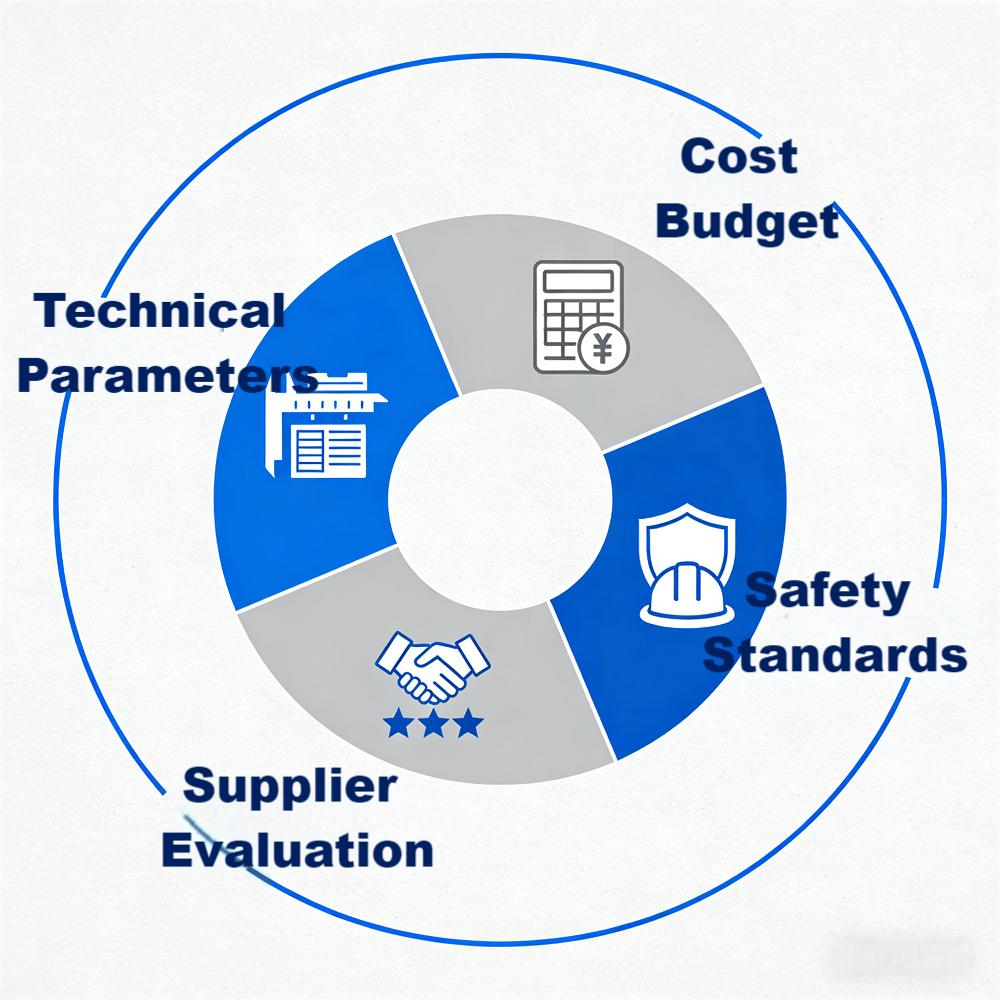
What’s your biggest challenge in lifting equipment sourcing this year? Share your thoughts in the comments!
- Previous Article:Manual vs Electric Hoists – How Buyers Decide
- Next Article: Issues to Consider in Crane Product Solutions or Discussion on Lifting Products


 sales@tieshouqizhong.com
 +8615132261111
 Alice Zhang
 Kang Wang
 Joyce Yang
 Home
Home WhatsApp
 Email
Email